Quick answer
Photograph the property first, separate anything valuable or legally required, and book the right clearance service based on how much has been left behind.
Why tenancy clearance needs a plan
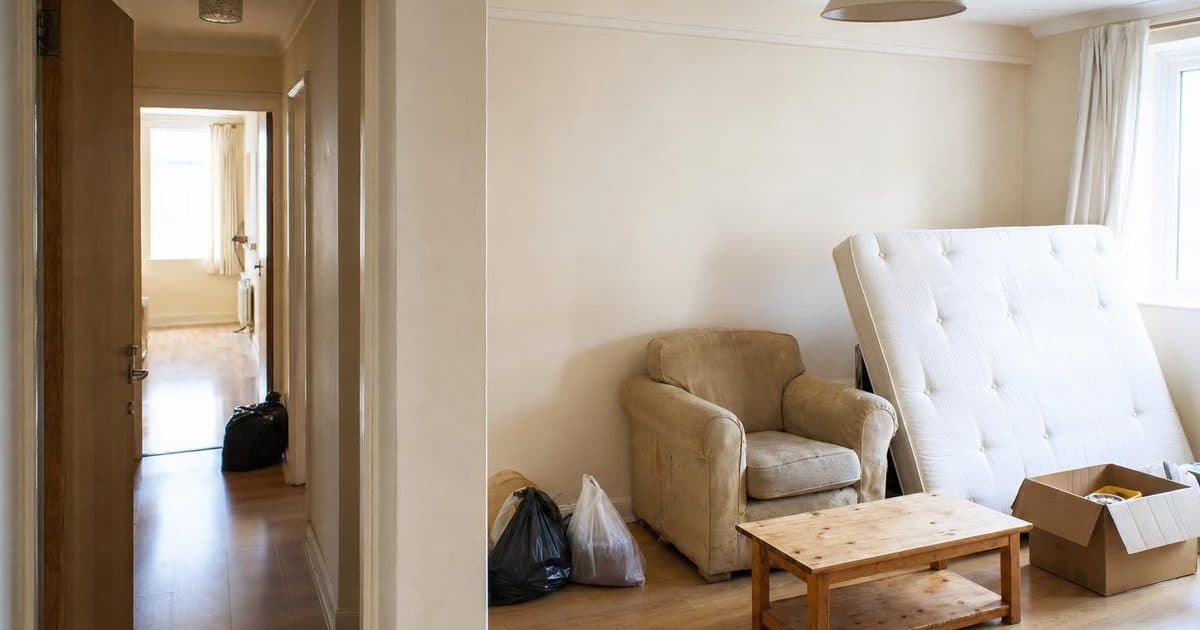
When a tenancy ends, the property can be left in very different states. Some homes only need a few bags removed, while others may contain unwanted furniture, broken appliances, bin bags, cardboard and personal belongings. A clear plan helps you work through the property in a sensible order and avoid unnecessary delays before re-letting.
For Southampton landlords, the main aim is usually to get the property cleaned, cleared and ready for the next occupant with as little disruption as possible. That means checking what has been left, deciding what should stay, and arranging the right type of removal for the rest.
What to check before items are removed
Before anything is taken away, do a full walk-through of the property. Make notes room by room and take clear photographs so you have a record of the condition and the items left behind. This is useful for your own records and for speaking with the tenant, letting agent or managing agent if needed.
Look for items that must stay
Some things should be identified and separated before a clearance takes place. These may include keys, tenancy paperwork, safety certificates, fixtures and fittings, or anything that belongs to the landlord rather than the outgoing tenant. If in doubt, keep the item in place until it has been checked properly.
Separate valuables and personal items
It is sensible to set aside anything that appears to have value or is clearly personal. That can include jewellery, documents, photographs, electronics, bank cards and passports. Store these items securely and keep a short written note of what has been found and where it was located.
| Item type | What to do |
|---|---|
| Documents and ID | Set aside securely for review |
| Furniture and white goods | Check whether they are to be kept, removed or replaced |
| General rubbish | Arrange removal with the correct waste service |
How to sort left-behind items
Once you have checked the property, sort everything into clear groups. This makes the next step much easier and helps you decide whether you need a light tidy, a full house clearance, or a more specific removal job.
- Keep items that belong to the landlord or the property.
- Separate valuables, documents and personal belongings.
- Group reusable furniture or appliances if they are to be retained.
- Set aside waste, broken items and anything that cannot be used again.
- Make note of any bulky items that will need lifting and carrying out carefully.
If the property contains a lot of mixed contents, it is often easier to have everything cleared in one visit rather than arranging several small removals. That is especially useful where access is limited, parking is tight or there are stairs, which can all affect how long the job takes.
Choosing the right clearance service in Southampton
The right service depends on what is left in the property. A few bin bags may only need Domestic Waste Removal, while a room full of furniture could be better suited to Furniture Removal or a full House Clearance.
If there are contents in a garage, loft, shed or outbuilding, a more targeted service may be the better option. Choosing the closest fit for the job can help keep the process straightforward and reduce unnecessary handling.
When a full house clearance makes sense
A full house clearance is usually the practical choice when several rooms need emptying, there are large amounts of mixed items, or the property must be turned around quickly. It can also help where furniture, rubbish and loose belongings are all mixed together and need sorting on site.
When a smaller service is enough
For a lighter tenancy clearance, a smaller removal may be all that is needed. For example, a single sofa, a mattress, a few appliances or some leftover household waste may be handled more efficiently with a focused collection rather than a full clearance.
Preparing the property for re-letting
After the clearance, check that every room, cupboard, shed and storage area has been emptied properly. Look for small items left in drawers, under beds and behind larger furniture. Once the contents have been removed, the property is easier to clean, inspect and prepare for photographs or viewings.
It also helps to think ahead about any further work that may be needed. For example, if broken furniture, damaged fittings or old appliances have been removed, you may want to follow up with repairs, cleaning or other waste removal before marketing the property again.
For landlords in Southampton, a calm and methodical approach often saves time later. A clear record, the right removal service and a proper final check can make the handover to cleaning or re-letting much smoother.